


Shabbat shalom flowers. Shabbat is not simply the end of the week. In Jewish tradition, it is described as a “palace in time,” a sacred pause from daily routine. The idea of honoring Shabbat through beauty is rooted in the concept of hiddur mitzvah — enhancing a commandment through aesthetics and care. The Orthodox Union explains that preparing the home before Shabbat is part of honoring the day.That is where shabbat shalom flowers naturally belong. Flowers are not a requirement in Jewish law, but they help create an atmosphere of calm and dignity. A well-set table, polished candlesticks, fresh challah, and thoughtfully chosen blooms transform an ordinary Friday evening into something intentional.In Miami, where family dinners often include extended relatives and guests, flowers help frame the experience. Same-day delivery within a few hours ensures arrangements arrive fresh before candle lighting, even when the week has been busy.
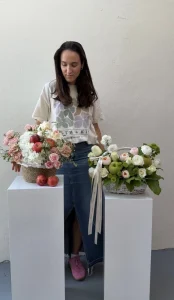
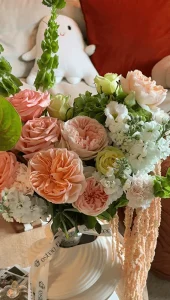
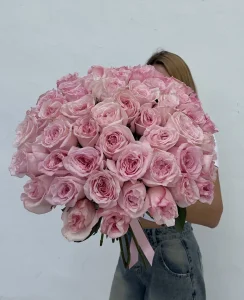
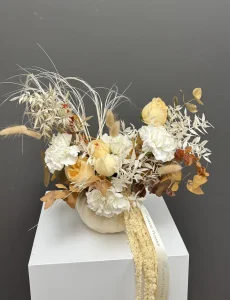
Shabbat Flowers: Beauty as Part of Preparation
When families order shabbat flowers, they are not just decorating. They are participating in a tradition of preparation. According to Chabad, preparing the Shabbat table with care reflects respect for the sanctity of the day.White roses are especially meaningful. In many cultures, white symbolizes peace and sincerity. On Shabbat, that symbolism feels natural. The greeting “Shabbat Shalom” literally wishes peace, and white blooms visually echo that message.Hydrangeas represent gratitude and abundance. Their full shape adds softness to the table without becoming overwhelming. Tulips, which bloom naturally in spring, symbolize renewal and joy — themes that align with the weekly reminder of creation that Shabbat represents.Greenery also plays a quiet role. In Jewish thought, nature reflects divine creation. Simple eucalyptus or seasonal foliage adds movement and keeps arrangements feeling alive and fresh.
Flowers for Shabbat: Choosing With Intention
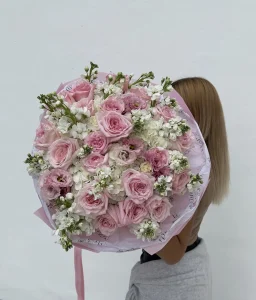
Selecting flowers for shabbat depends on space, style, and personal taste. A small apartment table may call for a compact vase, while a larger family gathering might need a longer, horizontal arrangement.Low designs are traditionally preferred. They allow conversation across the table and ensure the Shabbat candles remain the visual focus. Candles symbolize light and spiritual presence, and flowers should support, not compete with, that symbolism.Color also matters. Soft blush tones express warmth. White suggests serenity. Light blue, often associated with Jewish identity through the color of tekhelet, can subtly connect to heritage.Well-designed shabbat flower arrangements balance structure and softness. Roses create form. Hydrangeas provide fullness. Tulips add gentle height without blocking sightlines.
Flowers Shabbat Shalom: Meaning in the Greeting
The phrase flowers shabbat shalom may sound like a simple search term, but it reflects something deeper. The greeting “Shabbat Shalom” is more than polite language. It expresses a wish for completeness and harmony in the home.Flowers help communicate that visually. Their presence softens the room and signals that the day is different from the rest of the week. The Rabbinical Assembly notes that honoring Shabbat includes creating an atmosphere distinct from ordinary time.Fresh blooms accomplish that quietly.
Good Shabbat Flowers: Practical and Symbolic Choices
When someone asks what are good shabbat flowers, the answer combines practicality and meaning.White roses — peace and dignity.Soft pink roses — affection and warmth.Hydrangeas — fullness and gratitude.Tulips — renewal and optimism.Avoid very tall stems that obstruct candlelight. Avoid overpowering fragrance that may distract during blessings. Shabbat is about balance.Historically, Jewish homes in Eastern Europe often placed greenery on the table to reflect life and continuity. That custom has evolved into modern floral design while preserving its essence.
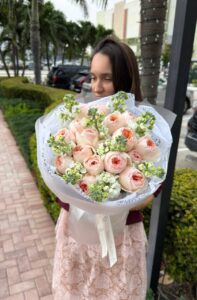

Flower Shabbat Candle Holder: Framing the Light
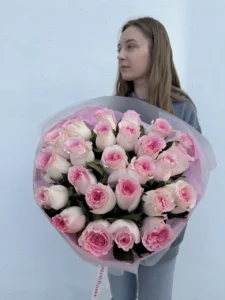
Some customers search for a flower shabbat candle holder style. While the more natural phrase would be “Shabbat candle holder with flowers,” the concept remains meaningful.Flowers arranged around candlesticks create symmetry and visual harmony. Circular arrangements emphasize wholeness, a key concept in Jewish thought. However, safety is essential. Flowers must be placed at a safe distance from open flames.The visual balance between silver candlesticks and soft white blooms creates a timeless Shabbat aesthetic.
Flower Centerpieces Shabbat: Setting the Tone
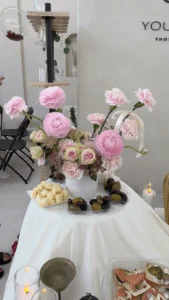
Elegant flower centerpieces shabbat should anchor the table without overwhelming it. The centerpiece frames the challah cover, wine goblets, and dishes.Here is a simple comparison:
| Style | Best For | Why It Works |
| Low round centerpiece | Standard family table | Keeps conversation open |
| Elongated design | Long dining table | Even visual flow |
| Floral box | Guest gift | Ready to place |
| Monochrome white | Formal dinner | Clean, dignified look |
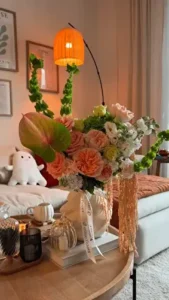
Hydrangeas add texture. Roses provide definition. Greenery introduces movement. The result should feel calm and cohesive.
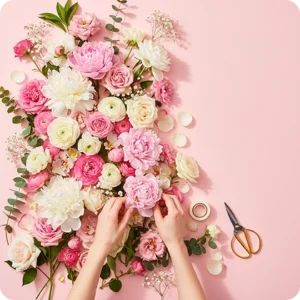
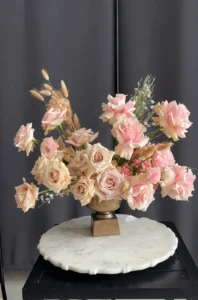
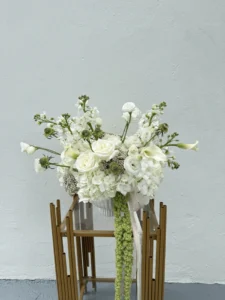
Giving Shabbat Flowers as a Gift
Bringing flowers for shabbat to a host is not only polite — it connects to a long-standing Jewish value known as hachnasat orchim, the mitzvah of welcoming guests. Hospitality in Judaism is not viewed as a social courtesy but as a spiritual act. The Torah describes Abraham welcoming travelers into his tent, and that story became the model for Jewish hospitality throughout generations.The Orthodox Union explains that welcoming guests into one’s home is considered an expression of kindness and imitation of divine compassion. Shabbat meals, in particular, are traditionally open to family, friends, and even strangers. The table becomes a place of connection and shared blessing.When bringing a gift to a Shabbat host, sensitivity matters. Rabbi Menachem Posner writes that a gift should enhance the meal without adding burden or halachic complication. He explains, “The best gift is something that enhances the meal without causing additional preparation” (Rabbi Menachem Posner, Chabad.org). Fresh flowers align perfectly with this guidance. They require no preparation, no supervision, and no additional effort from the host.Flowers also carry symbolic weight. They represent beauty, growth, and appreciation. When placed near the Shabbat candles, they frame the light that traditionally represents peace in the home. The visual balance between candlelight and fresh blooms reinforces the meaning of “Shabbat Shalom.”Timing is crucial. Since Shabbat begins at sunset on Friday, flowers must arrive before candle lighting. In Miami, where schedules can shift quickly, same-day delivery within a few hours ensures that arrangements arrive fresh and ready. A well-timed bouquet shows thoughtfulness not only in the gift itself, but in the consideration behind it.Unlike food or wine, flowers avoid questions of dietary laws or certification. They are universally appropriate and immediately uplifting. In many homes, the bouquet remains on the table through both Friday night dinner and Saturday lunch, continuing to enhance the atmosphere throughout the day of rest.In this way, giving flowers for Shabbat is more than a gesture. It quietly participates in a tradition of hospitality, beauty, and intentional preparation that has shaped Jewish homes for centuries.
The Deeper Meaning of Floral Beauty on Shabbat
While flowers are not commanded in halacha, the concept of honoring Shabbat through beauty is deeply rooted in Jewish tradition. The Talmud teaches that Shabbat should be welcomed with dignity — wearing fine clothing, preparing special meals, and setting the table differently from the rest of the week (Shabbat 113a). This idea reflects kavod Shabbat, honoring the sanctity of the day.Flowers naturally fit into that mindset. They are not obligatory, but they elevate the environment. A home that looks prepared feels different from one that is not. Fresh blooms signal that something special is about to begin. They visually separate Shabbat from ordinary time.Shabbat itself commemorates the completion of creation. According to the Book of Genesis, the seventh day marks the moment when creation was complete and the world entered a state of rest. Bringing flowers into the home subtly echoes that idea. Flowers are a visible expression of the natural world — color, fragrance, growth, renewal. Their presence on the table reflects the beauty of creation that Shabbat invites us to notice.There is also a psychological dimension. Shabbat encourages people to slow down, disconnect from work, and focus on family and gratitude. A calm, thoughtfully arranged table supports that shift. Soft petals, balanced colors, and gentle fragrance create an atmosphere that feels peaceful rather than rushed.In many Jewish homes, the Shabbat table becomes the spiritual center of the week. Blessings are recited over wine and challah. Parents bless their children. Guests share words of Torah. Flowers do not perform these rituals, but they frame them. They quietly enhance the setting in which those moments unfold.This is why floral beauty on Shabbat is not about decoration for its own sake. It is about intention. It is about preparing the physical space so the spiritual experience can feel complete.
Subscription: A Simple Way to Keep Shabbat Beautiful
For families who host regularly, ordering flowers every week can become time-consuming. That is why Estee Flower offers a Subscription option.With the subscription program, clients receive fresh arrangements on a regular schedule — weekly, biweekly, or monthly. Flowers are delivered automatically, so there is no need to place a new order each time.Subscribers receive their flowers at a better value than ordering individually each week. The cost per delivery is lower compared to one-time purchases. In addition to saving money, clients save time. There is no need to remember deadlines or rush before Friday.For regular Shabbat hosts, this means the table is consistently beautiful without added stress.


