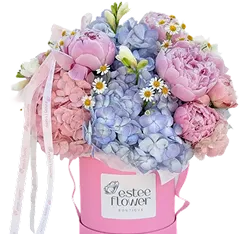
Modern Floristry in Miami: Premium Bouquets & Floral Design by EsteeFlower
Modern floristry is not about making flowers look louder, bigger, or more complicated. It is about making every stem feel intentional. At EsteeFlower, this means working with height, movement, air, color, texture, and carefully chosen decorative accents, from oversized feathers and pearl strands to elegant bows, dried botanicals, and palm leaves, so a bouquet or arrangement feels alive rather than pressed into a perfect round shape.
For our Miami and South Florida clients, modern floral design has become especially important because flowers are no longer ordered only for formal occasions. They are part of birthdays, romantic surprises, hotel deliveries, condo interiors, Shabbat tables, weddings, restaurants, offices, proposals, and elegant everyday gifting.
A modern bouquet should never feel plain, flat, or lifeless. It should have rhythm. Some blooms sit higher, some lower, some open the shape outward, and some create a soft center of gravity. The result feels natural, generous, and refined. Today’s most current floral styles often focus on movement, thoughtful color palettes, texture, proportion, and expressive wrapping rather than a strict round dome. In this approach, the bouquet is not simply “filled.” It is composed.
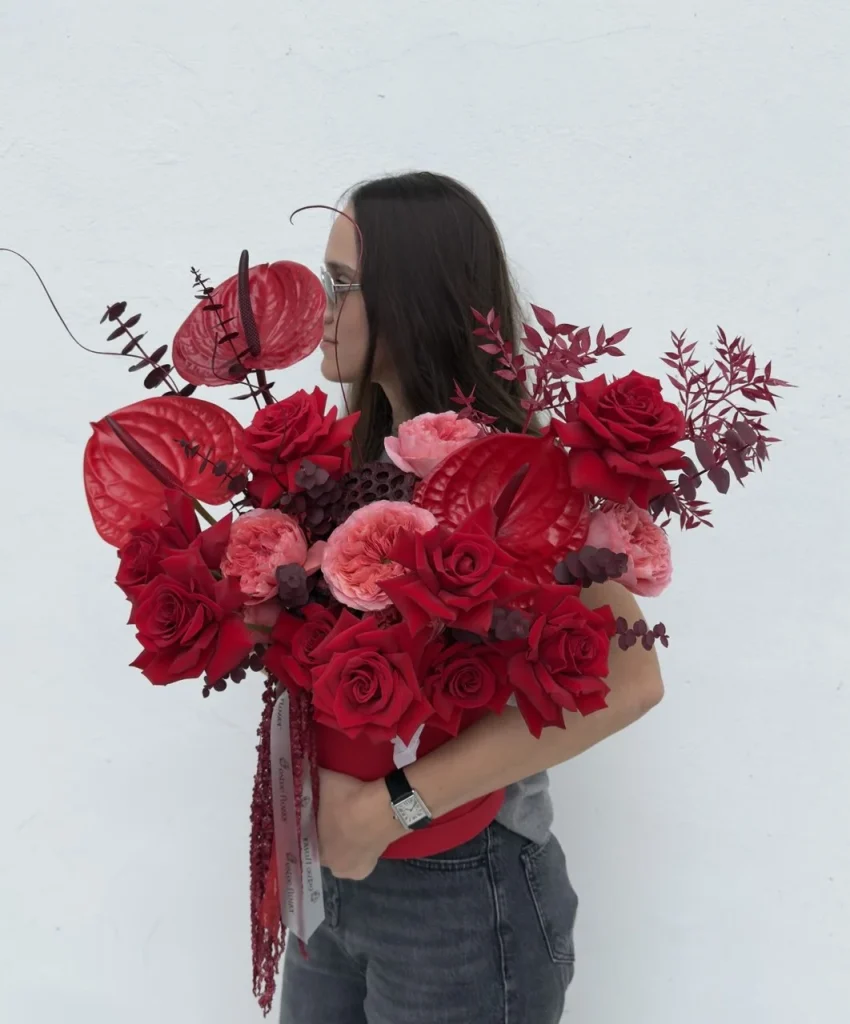
At EsteeFlower, we translate that idea into real flowers and real arrangements available through our Miami-area flower shop. Our catalog includes peonies, roses, garden roses, hydrangeas, lisianthus, orchids, chamomiles, stock, eucalyptus, ranunculuses, tulips, baby’s breath, carnations, snapdragons, hat box arrangements, basket arrangements, centerpieces, romantic flowers, Shabbat and Chag flowers, wedding florals, event décor, gifts, and flower subscriptions.
What Makes Floristry Feel Modern Today?
Modern floral design is often misunderstood as something abstract or strange. In reality, the most beautiful modern work usually feels more natural than old-fashioned designs. The difference is in the florist’s eye. Instead of hiding every stem inside a compact circle, modern floristry allows the flowers to breathe. A peony may become the soft focal point. Chamomiles or spray roses may create lighter movement around it. Hydrangeas may build volume, while lisianthus softens the transition between large and smaller blooms. Eucalyptus or greenery may appear as a deliberate color area, not as tiny pieces scattered everywhere.
Current trends in floristry support this movement toward looser forms, texture, and natural silhouettes. Recent floral trend reports point to asymmetrical arrangements, visible rhythm, taller shapes, natural bends, layered textures, and a stronger contrast between bold focal flowers and delicate supporting flowers.
For us, those ideas matter because they match what many Miami clients already want. They want flowers that look expensive but not stiff. They want arrangements that photograph beautifully but still feel warm in person. They want a bouquet that looks like it was designed by a florist, not assembled by formula. That is where modern floristry techniques make the difference.
Modern Floristry Techniques We Use in Real Bouquets and Arrangements
Modern floristry techniques begin with structure. Before a florist thinks about color, the arrangement needs a shape. A modern bouquet has direction. It may rise higher on one side, open outward through longer stems, or use a softer garden-inspired shape where the eye moves naturally from one flower to another.
The second technique is layering. Large blooms should not all sit on the same level. If peonies, roses, and hydrangeas are placed at identical heights, even premium flowers can look heavy. When they are layered, the bouquet gains air. A large peony can sit slightly forward, while stock or chamomiles create a delicate frame. Hydrangea can support the body of the design, while lisianthus adds movement between the focal flowers.
The third technique is color blocking. In older bouquet styles, greenery is often sprinkled throughout the arrangement as a filler. In modern design, greenery can become its own visual statement. A section of eucalyptus, for example, may work like a muted green color block beside pink peonies or white roses. This makes the bouquet look more intentional and less dotted with random green pieces.
The fourth technique is texture contrast. A bouquet built only from flowers of the same size often feels flat, even when the flowers are beautiful. Modern floristry designs use different petal shapes, bloom sizes, and visual weights. A large peony looks softer when paired with airy chamomiles or stock. Hydrangea feels more refined when roses, spray roses, lisianthus, or garden roses give it shape and detail. This is why some of our favorite EsteeFlower combinations include peonies with white stock, peonies with chamomiles, hydrangeas with roses, and garden roses with hydrangeas and lisianthus.
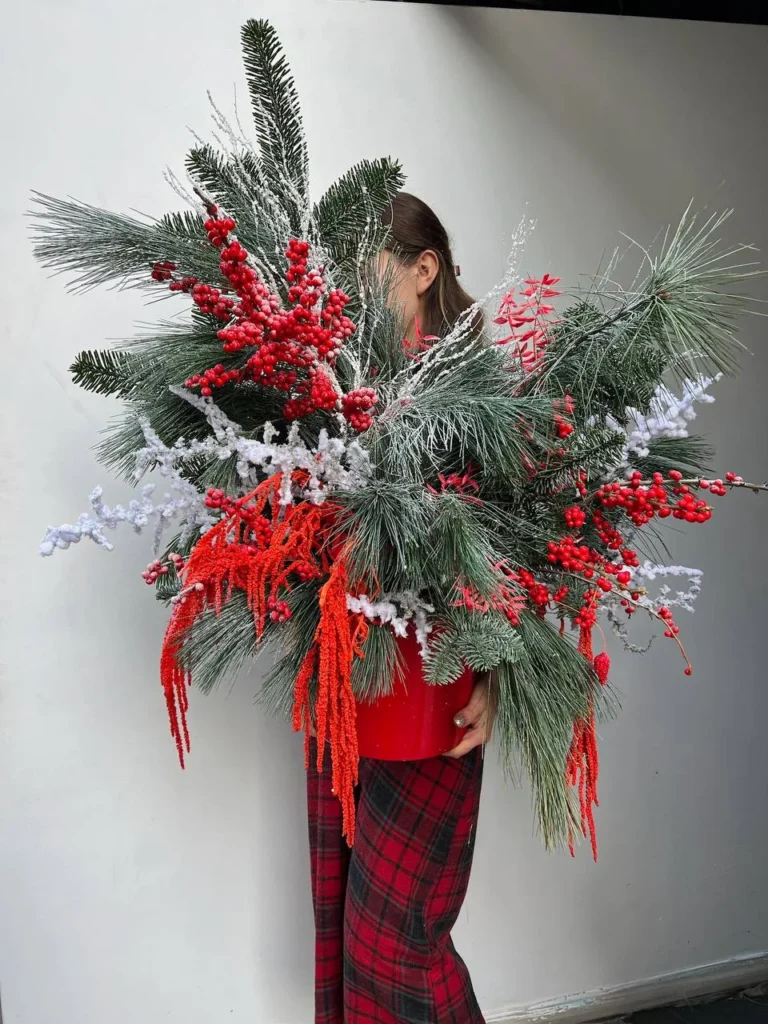
Modern Versus Old-Fashioned Bouquet Shapes
| Design Element | Traditional Compact Bouquet | Modern Floristry Approach | Why It Matters |
|---|---|---|---|
| Shape | Round, dense, and even | Layered, airy, sometimes asymmetrical | The bouquet feels alive, natural, and more expressive |
| Height | Flowers sit on one level | Stems vary in height | Creates movement, depth, and visual rhythm |
| Greenery | Small pieces spread throughout as filler | Greenery used as a planned color area or structural element | Makes the design cleaner, more intentional, and more editorial |
| Texture | Similar bloom sizes and similar flower shapes | Large, medium, and delicate flowers combined with different textures | Adds depth and keeps the arrangement from looking flat |
| Decorative accents | Rarely used, or added as standard decoration | Feathers, palm leaves, pearl strands, bows, or dried botanicals used as part of the composition | Makes the arrangement feel more expressive, personal, and visually distinctive |
| Packaging | Decorative, often heavy or visually busy | Minimalist, elegant wrapping that supports the floral design | Keeps attention on the flowers, the shape, and the overall composition |
| Color | Evenly mixed throughout the bouquet | Color spots and intentional transitions | Makes the palette feel designed, not random |
| Style | Formal and predictable | Airy, thoughtful, sculptural, natural, garden-inspired, minimal, or lush | Works better for modern homes, events, gifts, and personal occasions |
This does not mean every modern bouquet has to be wild, asymmetrical, or garden-style. A rose bouquet can still be clean and classic. A hat box can still be polished and symmetrical enough for an elegant gift. A centerpiece can be low and refined for a dinner table. A wedding arrangement can be lush, romantic, minimal, or sculptural depending on the setting. The point is not to reject tradition. The point is to make the flowers feel considered. Even a simple arrangement can look modern when the shape, spacing, color, and packaging are handled creatively, with a clear sense of balance and intention.
The Role of Airiness in Modern Flower Design
Airiness is one of the most important qualities in modern floristry. It is also one of the hardest to achieve well. A bouquet can be large and still airy. A bouquet can be small and still feel heavy. The difference is spacing, stem direction, and the relationship between focal flowers and supporting flowers.
At EsteeFlower, airiness often comes from using flowers that naturally carry softness and movement. Peonies open with layered petals and volume, but they still feel light. Lisianthus brings a delicate, romantic line. Stock adds vertical texture. Chamomiles introduce a natural fresh feeling. Eucalyptus can open the shape without making the bouquet look too busy. These flowers already exist in our catalog and product combinations, including Pink Peonies with White Stock Bouquet, Peonies and Chamomiles Bouquet, Sweet Kiss Bouquet with Garden Roses, Hydrangea, and Lisianthus, Good Shabbos Bouquet with Hydrangeas, Roses and Lisianthus, and multiple hat box and basket arrangements.
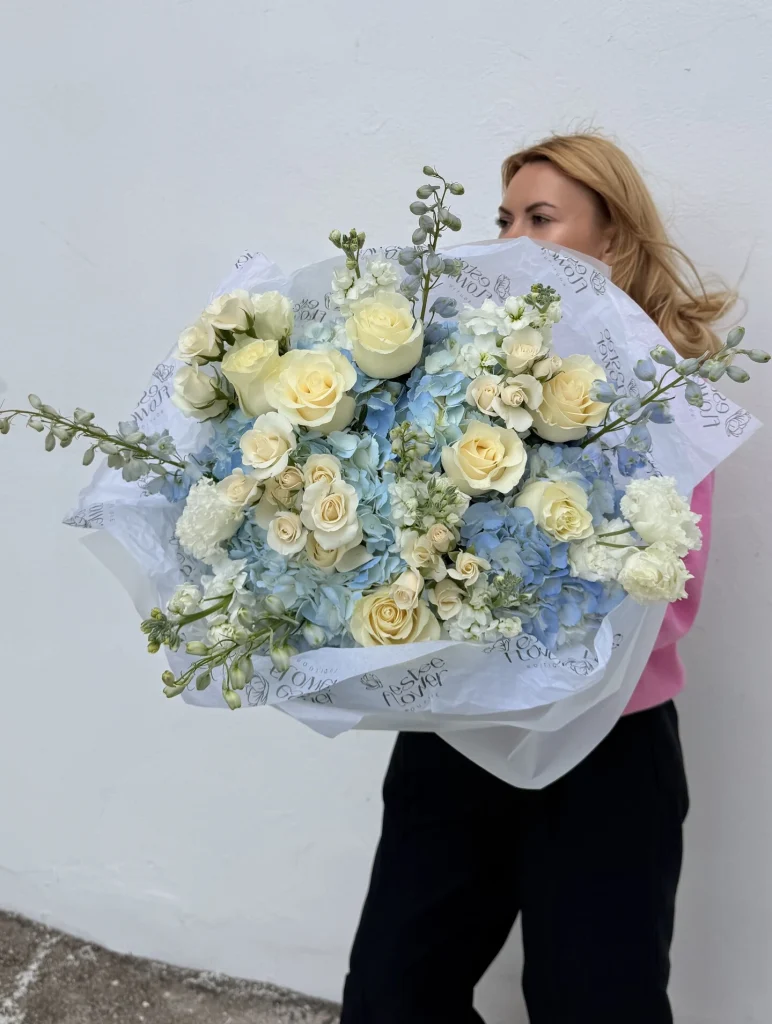
Good Shabbos Bouquet | Hydrangeas, Roses & Lisianthus (S–XL)
Airiness is especially useful in Miami because many flowers are delivered into bright interiors. Condos, hotel rooms, waterfront apartments, restaurants, and office spaces often have strong light, clean surfaces, and modern décor. A dense bouquet can feel too heavy in that setting. A more open arrangement gives the room softness without overwhelming it.
Minimalist Packaging: Why Less Often Looks More Premium
Modern retail floristry has changed the way people think about bouquet wrapping. Packaging is no longer supposed to compete with the flowers. It should frame them. A modern bouquet usually looks best with clean, minimal, high-quality wrapping that supports the palette rather than adding another loud color or pattern.
This is especially important for premium gifting. When someone orders flowers for an anniversary, birthday, proposal, hotel surprise, or romantic dinner, the first impression matters. Heavy wrapping can distract from the natural beauty of the flowers and make the arrangement feel less refined.
Minimalist wrapping keeps the focus on the arrangement itself: the movement of the stems, the contrast between large and delicate blooms, the balance of fresh and dried textures, the rhythm of color spots, and the small decorative accents that make the design feel personal and distinctive.
Minimal packaging also supports the latest floristry trends around restraint, calm, and visual clarity. Pantone named PANTONE 11-4201 Cloud Dancer, a soft white, as its 2026 Color of the Year and describes it as a calming white connected with clarity and simplification. In floral design, that mood translates naturally into clean wrapping, refined palettes, and arrangements that give the eye space to rest.

Pantone named PANTONE 11-4201 Cloud Dancer
Garden-Inspired, Sculptural, Minimal, or Lush: Modern Floristry Is Not One Style
Modern floristry is not limited to one look. Some modern arrangements are loose and garden-inspired. Others are clean and minimal. Some are lush and romantic, while others feel more sculptural and editorial. What connects them is not the exact shape, but the sense of intention behind the design.
A garden-inspired bouquet suggests that the flowers were gathered with taste, not forced into a rigid mold. The blooms may sit at different heights. Some stems may open outward. The color may move from one area to another instead of being mixed evenly across the whole bouquet. This style works beautifully with peonies, garden roses, hydrangeas, lisianthus, chamomiles, stock, ranunculuses, tulips, dahlias, orchids, and eucalyptus.
A more minimal modern arrangement may use fewer types of flowers, cleaner lines, and a calmer color palette. It can be ideal for offices, hotel suites, luxury condos, restaurants, sympathy gestures, or elegant home interiors. A lush modern arrangement may be fuller and more romantic, with roses, peonies, hydrangeas, orchids, and lisianthus creating a richer feeling while still preserving air, movement, and proportion.
For Miami weddings and events, this flexibility is especially valuable because every setting needs a different floral language. A bridal bouquet needs detail for close photos. A centerpiece needs proportion for the table. A floral arch or pillar needs visibility from a distance. A private dinner may need something low and atmospheric, while a hotel celebration may call for a larger statement. EsteeFlower offers wedding and event florals, including bridal and bridesmaid bouquets, floral pillars, arches, and custom event decoration.
How We Think About Color and Color Spots
Color is one of the clearest signs of modern floral design. A traditional bouquet may mix all colors evenly, so every side has the same amount of pink, white, green, and accent shades. A modern bouquet often works differently. It may place a soft pink peony area near a cream rose area, then let eucalyptus create a muted green counterbalance. The design still feels harmonious, but it has movement.
This is what we mean by color spots. A color spot is a visible area of tone inside the bouquet. It can be soft, like blush and ivory. It can be expressive, like hot pink and red roses. It can be calming, like white roses and eucalyptus. It can be romantic, like pink peonies with white stock. The goal is not to make the bouquet look striped or divided. The goal is to create visual rhythm.
Greenery is important here. In modern floristry, greenery should not always be used as a background filler. It can be a color. Eucalyptus, for example, has a muted green-gray tone that can make pink flowers look softer and white flowers look more refined. When grouped with intention, it becomes part of the palette rather than an afterthought.
Texture Pairings That Make a Bouquet Look Expensive
Texture is one of the quiet details that sets a premium bouquet apart from a basic one. A client may not always say, “I want texture,” but they feel it immediately when the bouquet looks layered and rich. Texture comes from differences in petal shape, bloom size, stem line, density, and softness.
A large peony pairs beautifully with smaller, lighter flowers because the contrast makes the peony feel even more luxurious. Chamomiles can bring a natural touch around a large peony. Stock can add a vertical, fragrant-looking line beside soft round blooms. Hydrangea brings fullness, but it needs detail around it so the arrangement does not become too round. Roses, spray roses, lisianthus, or garden roses can add that detail.
This is one reason EsteeFlower arrangements such as Miriam Song, Sweet Kiss, and many of our mixed bouquets, hat boxes, and basket arrangements feel aligned with modern floral taste. They are not built around one texture only. They combine focal blooms, softer supporting flowers, fresh greenery, dried or decorative accents when appropriate, volume, detail, and movement.
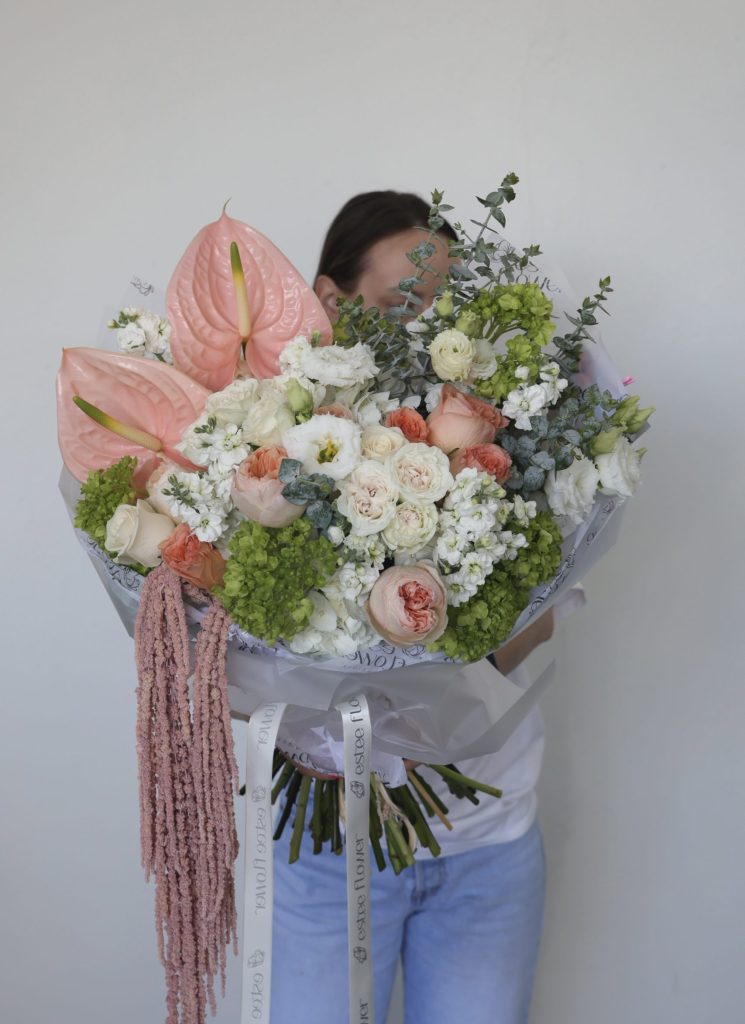
Miriam’s Song Bouquet (M–XL)
Choosing a Modern Arrangement for Different Occasions
Modern flowers are not only for fashion-forward clients. They can be adapted to almost any occasion when the florist understands the mood, the setting, and the message behind the gift.
For romantic flowers, modern design often means a bouquet that feels personal, expressive, and carefully composed. Roses are still powerful, but they do not have to stand alone. They can be paired with softer blooms, airy accent flowers, fresh greenery, or decorative details that make the arrangement feel more intimate and memorable. For anniversaries, proposals, hotel surprises, or romantic dinners, a modern bouquet can tell a fuller story through color, texture, movement, and the way each flower is placed.
For birthdays, modern floristry allows more personality and freedom. A bright mixed bouquet, a pastel hat box, a lush basket arrangement, or a composition with playful decorative accents can all feel festive without looking too predictable. The goal is not simply to make the bouquet bigger or brighter. The goal is to create a design with character, whether it feels joyful, elegant, soft, dramatic, or full of movement.
For homes and offices, modern arrangements usually need a different kind of balance. They should support the interior rather than dominate it. Clean shapes, calm color palettes, sculptural greenery, fresh and dried textures, or a refined hat box can work beautifully in Miami condos, hotel suites, office receptions, restaurants, and private homes. In these settings, the most successful flowers often feel intentional, polished, and easy to live with.
For Shabbat, Chag, and family gatherings, modern floristry should respect the table and the atmosphere of the occasion. The flowers should feel abundant, beautiful, and meaningful, but not visually overwhelming. EsteeFlower’s Shabbat and Chag category includes refined bouquets, centerpieces, hat box arrangements, and matching bud vase sets suitable for warm family celebrations and elegant holiday tables.
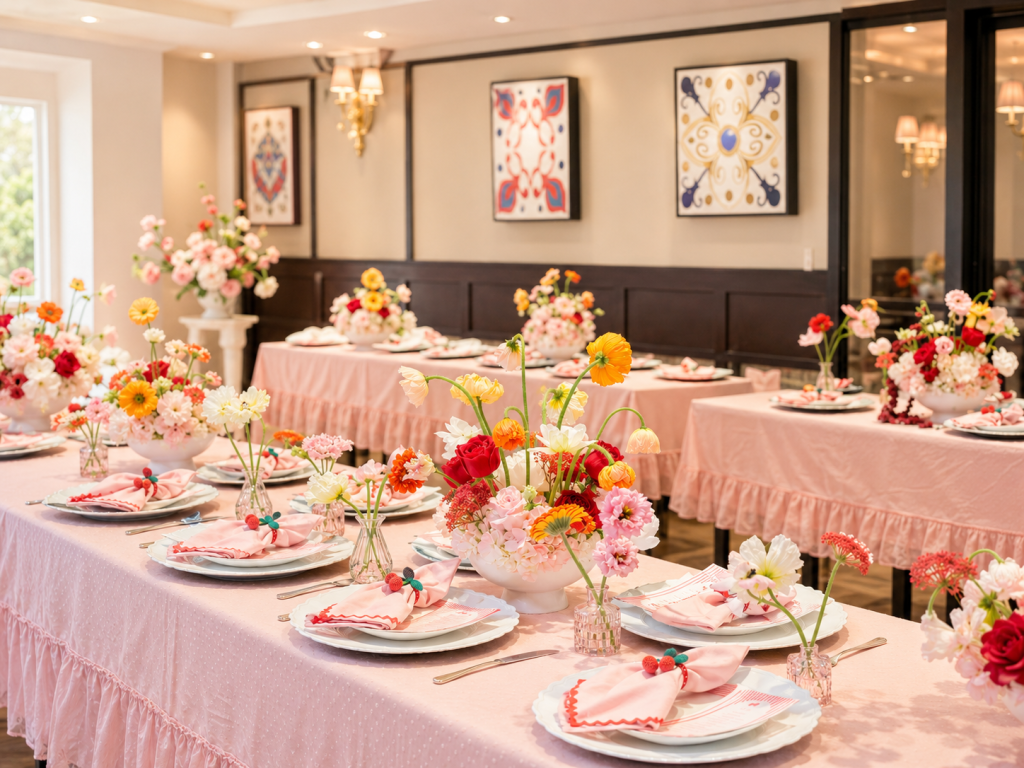
Floral Arrangements for Wedding Centerpieces
For weddings and events, modern floristry becomes especially important because every floral element has its own role. A bridal bouquet should feel beautiful up close and comfortable to hold. Centerpieces should complement the table setting and leave space for conversation. Ceremony flowers, aisle arrangements, floral pillars, and arches should support the overall atmosphere of the venue. A complete event design needs one clear visual language, so the flowers feel connected from the first photo to the final table detail. EsteeFlower’s wedding guide explains how wedding flowers can include bridal bouquets, bridesmaid bouquets, boutonnières, centerpieces, ceremony flowers, aisle flowers, floral pillars, and arch décor.
How to Choose a Modern Bouquet: Key Principles to Look For
A modern bouquet is not defined by one specific style. It can be romantic, garden-inspired, sculptural, minimal, lush, soft, bright, pastel, or dramatic. What makes it modern is not a single formula, but the way the florist works with shape, proportion, texture, color, and air. When choosing flowers for delivery, gifting, interiors, or events, these principles will help you understand whether the arrangement feels current, balanced, and truly designed.
- Look at the overall silhouette first. A modern bouquet should not feel like a flat, heavy dome. Even if the design is full and luxurious, the shape should have movement. Some stems may rise higher, some may open outward, and some may sit deeper inside the composition to create visual rhythm.
- Pay attention to height variation. Flowers placed at one identical level often look stiff. A thoughtful modern arrangement uses different heights to make the bouquet feel more natural and alive.
- Notice how the flowers breathe. Airiness does not mean the bouquet is sparse. It means the flowers are placed with enough space for each bloom to be seen. Peonies, roses, hydrangeas, lisianthus, chamomiles, stock, orchids, and eucalyptus all look more refined when they are not pressed too tightly together.
- Check whether the greenery feels intentional. In modern floristry, greenery should not look like random filler. It can frame the arrangement, open the shape, or work as its own color area. A well-placed section of eucalyptus, for example, can make the whole bouquet feel cleaner and more editorial.
- Look for a mix of textures and sizes. A bouquet made only from similar flowers can look flat. Large blooms such as peonies or hydrangeas often look more elegant when paired with smaller, lighter, or more detailed flowers such as chamomiles, stock, spray roses, lisianthus, or garden roses.
- Evaluate the color composition. Modern floristry often uses color spots rather than mixing every shade evenly across the bouquet. This creates a more thoughtful visual flow. A soft pink area, a white or cream area, and a muted green accent can feel more refined than a random distribution of color.
- Choose packaging that supports the flowers. Minimalist wrapping often looks more premium because it keeps attention on the floral design itself. Heavy or overly decorative packaging can make even beautiful flowers feel less elegant.
- Match the arrangement to the setting. A bouquet for a Miami condo, hotel suite, office reception, restaurant table, synagogue table, wedding venue, or private home should have the right scale and mood. A modern arrangement is not only beautiful in photos. It should also feel appropriate in the room where it will be placed.
- Think about the occasion, but do not limit yourself to expected choices. Romantic flowers do not have to be only red roses. Birthday flowers do not have to be loud. Shabbat flowers do not have to be overly formal. Wedding flowers do not have to follow one fixed style. Modern floristry allows the design to feel personal while still staying elegant.
- Choose real EsteeFlower floral categories that already fit this design language. Peonies, roses, hydrangeas, lisianthus, orchids, chamomiles, stock, eucalyptus, hat boxes, baskets, centerpieces, romantic flowers, wedding flowers, event florals, Shabbat and Chag arrangements, and gift baskets are all part of the EsteeFlower floral language.
How Modern Floristry Fits Miami and South Florida
Miami has its own rhythm. Flowers here are ordered for oceanfront condos, high-rise apartments, luxury hotels, restaurants, offices, synagogues, private homes, wedding venues, yacht-adjacent celebrations, birthdays, proposals, and last-minute surprises. A bouquet has to look beautiful in real life, but it also has to work in photos, elevators, lobbies, table settings, and bright interiors.
That is why modern floristry is such a natural fit for South Florida. Airy arrangements do not feel heavy in warm light. Minimal packaging feels polished in contemporary spaces. Garden-inspired bouquets bring softness to modern interiors, while cleaner sculptural arrangements can look refined in offices, hotels, and contemporary homes. Color spots photograph better than random color mixing. Texture makes flowers memorable even when the palette is quiet.
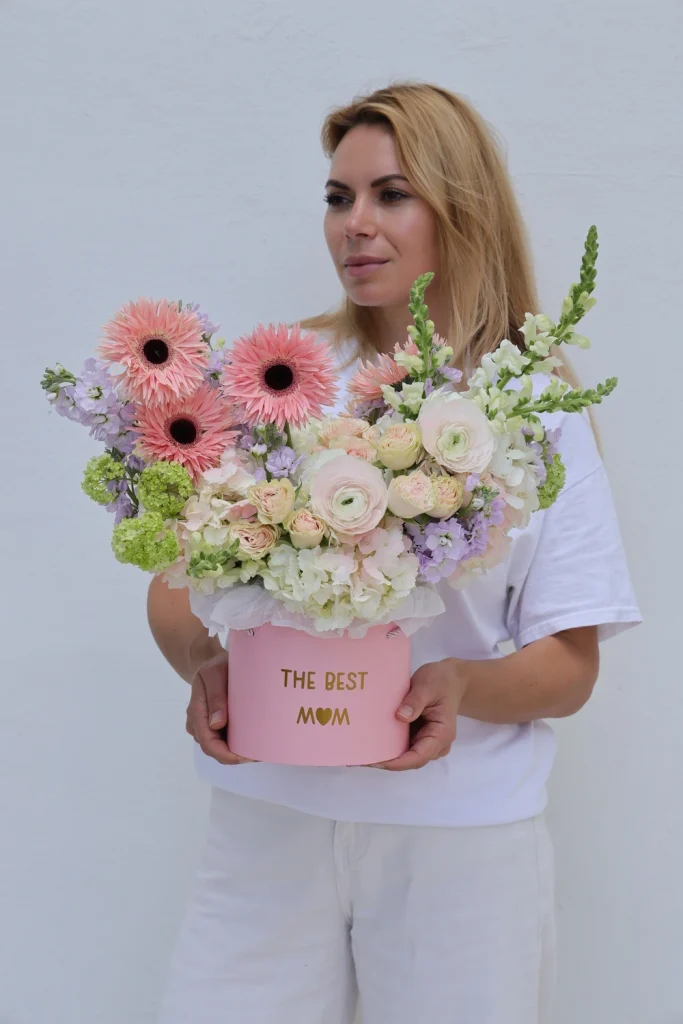
Mother’s Day Flowers Miami
At EsteeFlower, we see modern floristry as a balance between design and emotion. Flowers should feel current, but they should not feel cold. They should be stylish, but they still need warmth. They should look premium, but they should not look forced. The best modern flowers feel like they belong exactly where they are being delivered.
FAQ About Modern Floristry
What is modern floristry?
Modern floristry is a floral design approach that focuses on shape, movement, air, texture, color harmony, and intentional flower placement. Instead of creating only round, compact bouquets, modern florists often use height variation, asymmetry, natural movement, minimalist packaging, and clear color areas.
What are the main modern floristry techniques?
The main modern floristry techniques include layered stem placement, height variation, texture contrast, color blocking, intentional greenery, minimalist wrapping, and the thoughtful use of unexpected decorative materials, such as feathers, palm leaves, pearl strands, bows, or dried botanicals. These techniques help the bouquet feel natural, premium, visually balanced, and more expressive.
What makes a bouquet look modern?
A bouquet looks modern when it has movement, air, proportion, and intentional details. Flowers should not appear pressed into a flat dome. The bouquet should have rhythm, with larger focal flowers supported by smaller blooms, greenery, and texture.
Is modern floristry only one style?
No. Modern floristry can be garden-inspired, minimal, romantic, lush, sculptural, soft, bright, or dramatic. The style depends on the occasion, the space, the flower selection, and the desired mood. What makes it modern is the thoughtful use of shape, texture, air, color, and proportion.
Is modern floristry only for weddings?
No. Modern floristry works for birthdays, anniversaries, romantic delivery, hotel surprises, home flowers, office arrangements, Shabbat and Chag flowers, sympathy flowers, centerpieces, gift baskets, and event florals. The style can be adapted from soft and minimal to lush and dramatic.
What flowers work well in modern floristry designs?
At EsteeFlower, modern floristry designs can include peonies, roses, garden roses, hydrangeas, lisianthus, orchids, chamomiles, stock, eucalyptus, ranunculuses, tulips, dahlias, carnations, snapdragons, and baby’s breath, depending on the arrangement and seasonal availability.
Why is greenery important in modern arrangements?
Greenery helps create shape, contrast, and color balance. In modern design, greenery is often used as a clear visual element or color block rather than being scattered everywhere as filler.
Are hat box flowers modern?
Hat box flowers can feel very modern when the flowers are arranged with texture, height, and a refined palette. EsteeFlower offers multiple real hat box arrangements, including designs with peonies, hydrangeas, roses, orchids, eucalyptus, and pastel flowers.
Can I order modern flowers for same-day delivery in Miami?
Yes, many EsteeFlower arrangements are available with same-day delivery across Miami and nearby areas, depending on the design, flower availability, and delivery location.
What is the difference between modern floristry and modern retail floristry?
Modern floristry refers to the design style and techniques used to create flowers. Modern retail floristry also includes the customer experience: online ordering, real product categories, delivery timing, gift presentation, subscriptions, event support, and designs that work for real homes, offices, hotels, and celebrations.
What are the latest floristry trends?
The latest floristry trends include airy arrangements, asymmetrical shapes, visible stem movement, minimalist packaging, sculptural silhouettes, intentional greenery, and stronger texture contrast. Recent floral trend reports also point to taller shapes, natural bends, large focal blooms, and layered textures.